

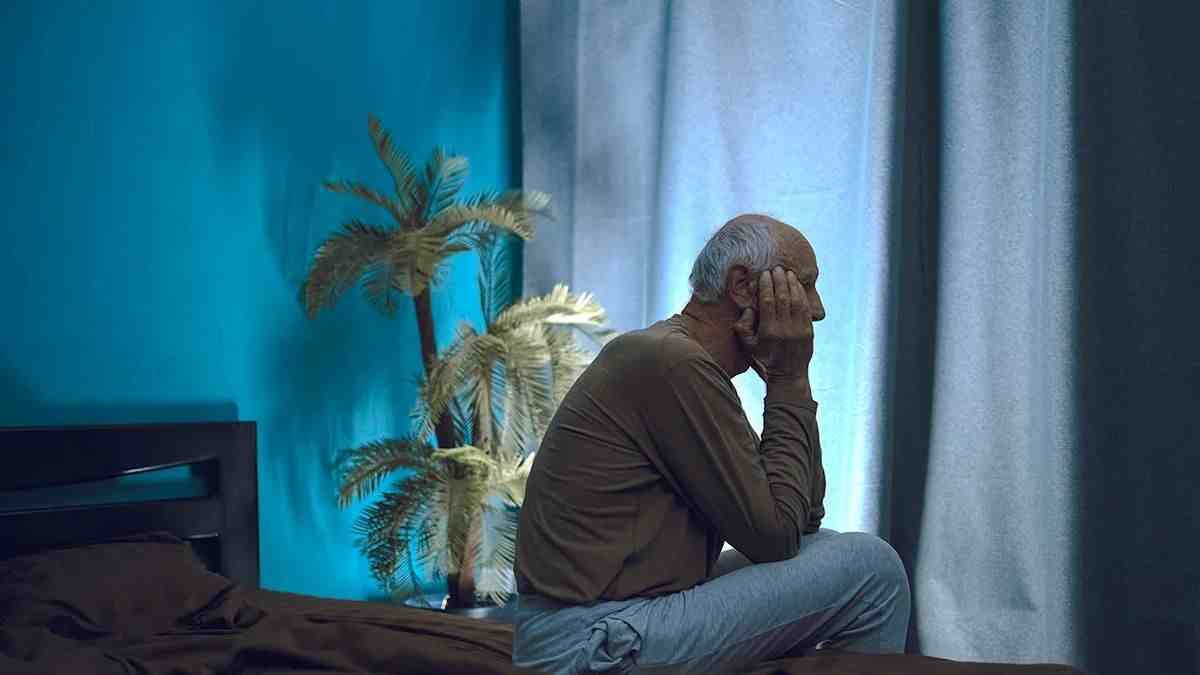
Loneliness is often viewed as a fleeting feeling. Still, a recent study indicates that loneliness’ impact on health could be much more profound. A vast observational study, published in Nature Communications, shows that on average, loneliness, and social isolation are linked to years lived with versus without substantial morbidityan average difference of up to almost six years, when mental health is taken into account.
Researchers analyzed 277,489 UK Biobank participants aged 37 to 73 years at baseline who were free of seven major chronic diseases (cancer, cardiovascular disease, type 2 diabetes, chronic respiratory disease, neurodegenerative disease, depression, and anxiety). The team then assessed for over a decade the relationship between loneliness or social isolation and healthy life expectancy.
Loneliness and Social Isolation Are Not the Same.
Despite often being used side by side, loneliness (subjective) and social isolation (objective) are different. Social isolation refers to the degree of contact or participation with other individuals, whereas loneliness, the subjective feeling of deprivation for (social) relationships.
Both were studied separately and combined. Loneliness and social isolation were tied to a range of health conditions that resulted in people being alive with fewer than 35 healthy years of life. The differences between those that experienced neither were most apparent when the researchers assessed mental health.
Women with both loneliness and social isolation had approximately 2.4 fewer years of disease-free life from five of the physical conditions examined and 3.7 fewer years of disease-free life from depression and anxiety than those with neither trait. The figures for men were approximately 1.7 and 5.8 for physical and mental disorders, respectively.
Mental Health Shows the Strongest Association
What mainly stood out was Truth is the association was much stronger for years lived free from mental disorders than it was from physical disease.
Among men suffering from both loneliness and social isolation, the estimated number of additional years free of depression and anxiety was 5.8 compared with men who suffered from neither condition. For women, the difference was 3.7 years. These sound-bites help clarify the extent of pressure about losing almost six healthy years.
But, the paper does not imply that being lonely necessarily subtracts a certain number of years from your life: the study simply shows that there is a link between social experiences and healthcare lifespan and not that being lonely causes a particular quantity of delayed healthy lifespan.
Healthy Habits May Help With Social Isolation
The scientists also investigated whether lifestyle could modify the effect of social isolation on healthy life expectancy. The study found that healthier lifestyles lengthen the lifespan of individuals who are socially isolated or not.
What was even more interesting was that the researchers also discovered that the loss of disease-free life expectancy resulting from social isolation was closer to zero for individuals who had healthy lifestyles. The same statistically significant trend was not identified for lonely individuals.


