

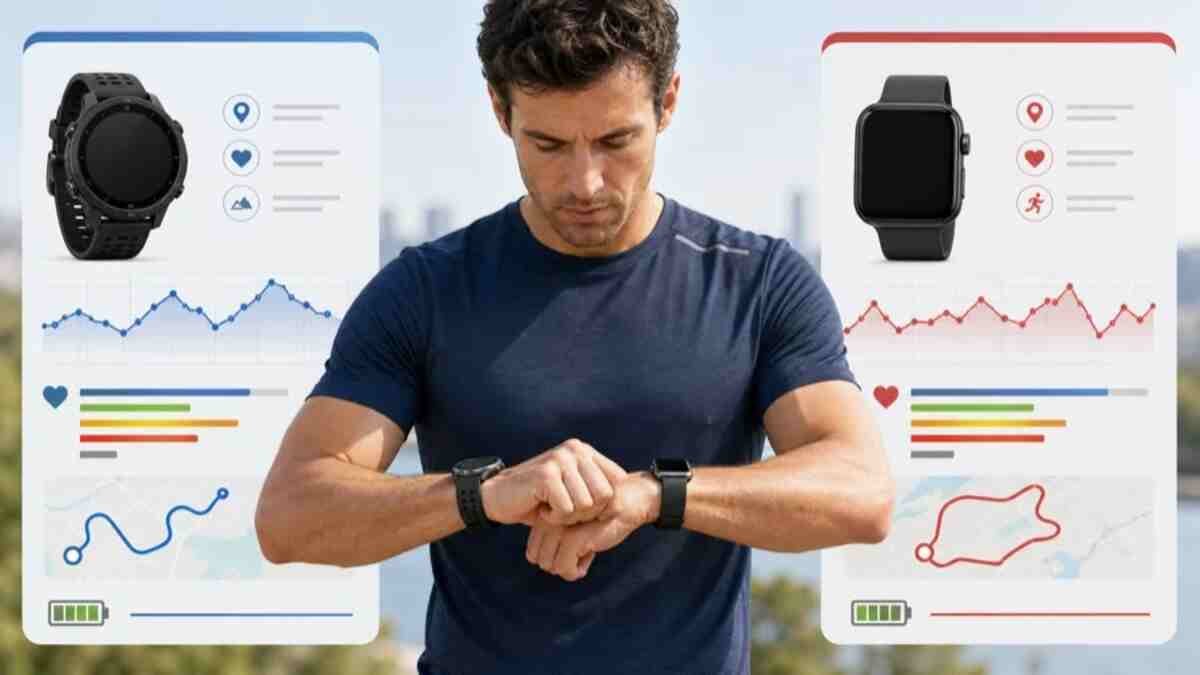
Wearable technology is evolving into less of a single device and more of a consolidated health data resource. As users acquire smartwatch, fitness tracker and other connected device from various brands, the capability to transfer data across multiple platforms is gradually becoming necessary. Garmin and Apple Health represent a successful transition, as they enable users to transfer an increasingly extensive amount of fitness and wellbeing information across Garmin Connect and Apple health.
Garmin has officially enabled the feature to transfer data from Garmin Connect to Apple Health on iPhone. The data being transferred can be on steps, heart rate sleep active calories, walking/running distance weight water intake and recorded runs/transfers, subject to device and permissions selected. This transfer occurs following a successful device sync with Garmin Connect.
The appeal is simple. The user may simply desires a Garmin watch for running, biking, or outdoors but would like their Apple Health to function as a repository for overall health data rather than keeping different types of fitness data in separate programs. Interoperability enables users to access information, more of their everyday information, while still using a familiar health dashboard.
This is significant because the wearables market has become more differentiated. Garmin has historically established a golf and outdoor wearables brand with a strong focus on sports tracking, meanwhile Apple have reinforced their broader market offering with the Apple Watch and Apple Health delivering health monitoring, fitness, and more traditional use of a smartphone. Increasingly non-Apple brands have been growing their share, as evidenced by recent market research, which is bullish on Garmin as demand increases for high end training and activity features.
The rising focus on interoperability is closely related to a broader growth in wearable adoption. An U.S. survey published in 2026 indicated that the use of wearables among general population has risen from approximately 30% in 2020 to higher than 41% in 2024. Despite quite limited sharing of wearable data with health practitioners, the same study reveals increased generation of health data using consumer devices.
As the volume of information grows, the consumer simply needs less silos. A runner might enter training on Garmin, log nutrition in a second application and use Apple as the destination to bring it all together. Flattening those streams of data can make personal health data more accessible without making people give up their favorite device.
Still limitations. Garmin’s integration mainly to transfer the data from Garmin Connect to Apple Heath. The Garmin connect doesn’t get the data from Apple Heath nor the Apple Watch as Garmin. Some information, for example Garmin’s integration can send the all-day heart-rate information, but the detailed heart-rate graph from timed activities may not be transferred exactly. And, the GPS tracks related to the work outs are not written into Apple Heath.
Data source management is also an important factor. Apple Health allows for multiple sources of data, and when two services report the same datasay, a walking step count and a cycling step countApple focuses on one source over others and displays the data from the preferred source.18 Sometimes users may have to switch the data source on the app because two services report the same data but with different values.


