

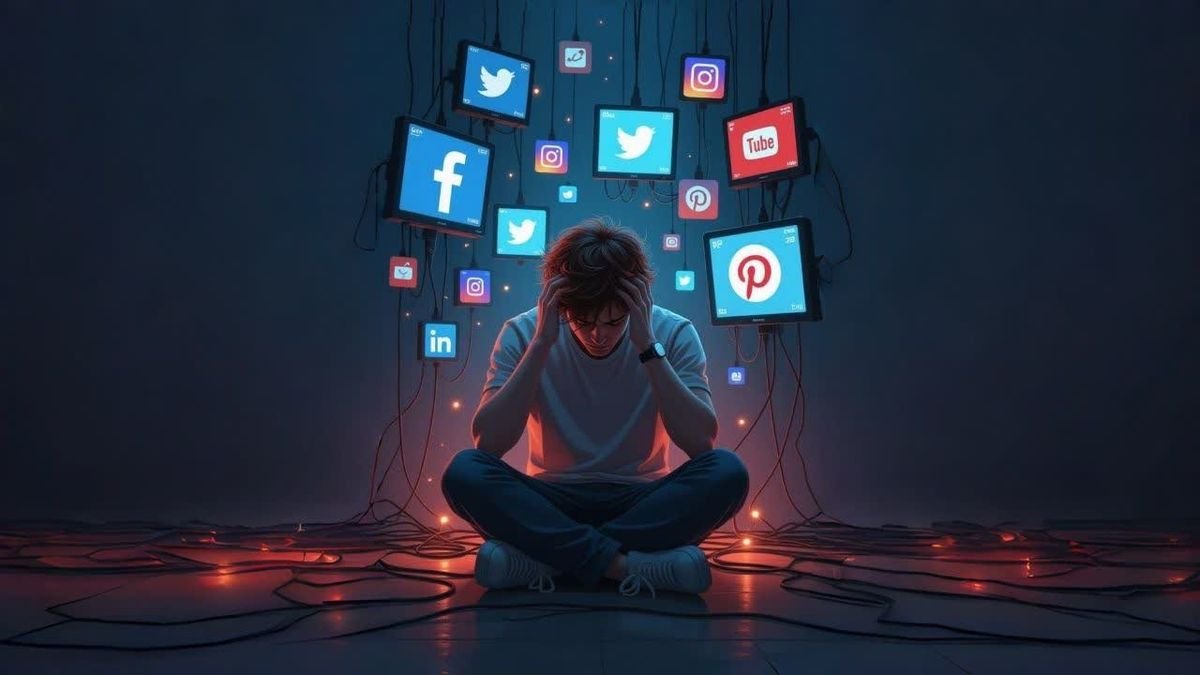
Making content has become a vital facet of the contemporary digital economy, bringing chances to create communities, communicate concepts and obtain a source of earnings. But behind the highlight reel videos, professionally edited images and soaring fans numbers, many creators fight with a different, less seen problem: sustaining their mental health and an active presence on the net.
Keeping up with the demand for frequent publication, engaging with audiences and adapting to new platform algorithms can be stressful. To observe World Mental Health Day on 10 October, creators, and podcasters are highlighting some simple routines that support their mental health and well being while balancing their digital lives.
To content creators, social media is about more than just a means of communication with friends. It is a workspace, advertising platform and a way to generate income. When the success of a post impacts sponsorship opportunities, follower growth and earnings, then the visibility of likes, comments, and views takes on a new meaning.
An October 2025 study cited by Harvard T.H. Chan School of Public Health indicated that creators experienced mental health problems, like anxiety, depression, and burnout. Among the creators’ concerns were financial insecurity, pressure over the performance of content, online harassment and loneliness. Advocates and researchers urged for stronger tools and support systems catering to creators.
These pressures can be in particular challenging for independent creators, who often have to handle production editing marketing, business negotiations, and audience engagement without the support found in traditional workplaces.
Among the most popular advice shared by creators is to set limits to their digital activity. “How we protect our well-being is by learning to say no, recognising our needs, ” says the host of the podcast InPower, Louise Aubery, to Spotify. Her advice stem from a key difference between feeling dedicated to one’s creation and feeling duty-bound to be on all the time.
Limiting time spent on the screen is another as always the advice. Sarah Aline, author of SARAH DE TERAPIA, talked about replacing some digital stimulation with reading, physical activity, breathing exercises and podcasts that are not as short. She said rest and psychological support are also crucial, when anxiety feels overwhelming.
If an online presence is a creator’s livelihood, taking a break doesn’t mean being off the grid. To help prevent burnout, creators can also plan content ahead, reduce notifications, and declutter the divider between content creation and personal browsing.
Low-tech offline activities can even be a helpful reset from the stresses of being perpetually plugged in. On Purpose podcast host Jay Shetty said he hits the gym to rap and hip-hop to reset and come back refreshed. The Real Stuff podcast host Lucie Fink said cleaning her house ultimately clears her mind and prepares her for tomorrow.
These strategies may not always be the solution for every individual, but they are a good stepping stone for handling everyday stress. Seeking professional support can be crucial if the symptoms continue or interfere with routine life.


