

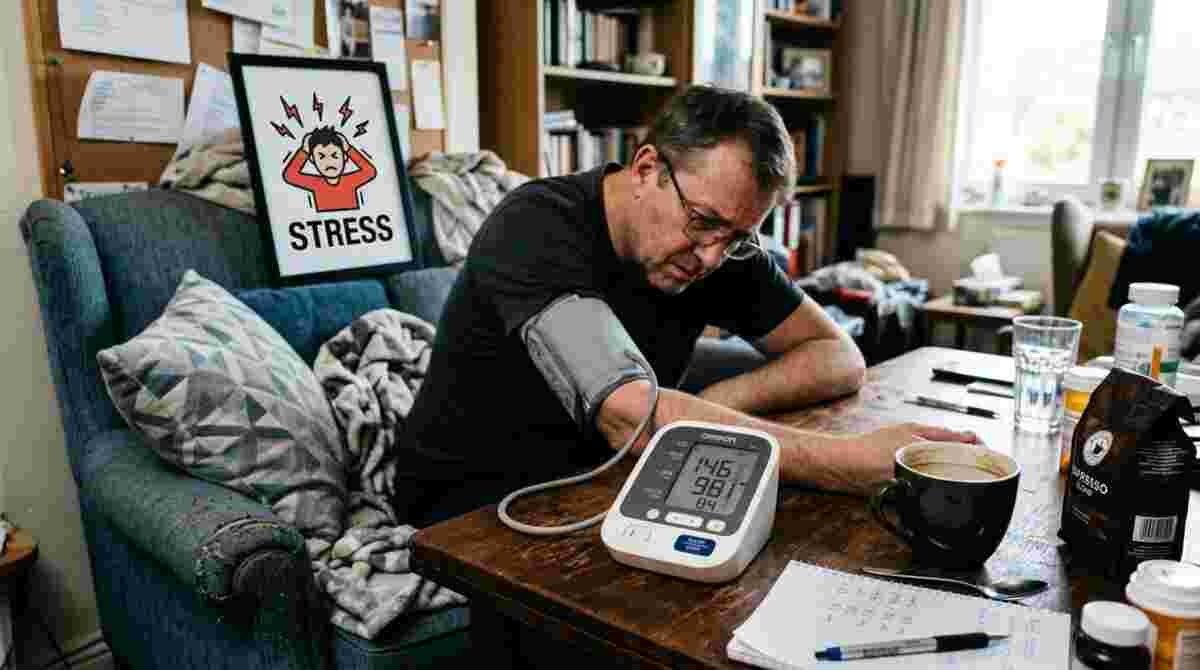
More and more studies are indicating that the seemingly silent act of paying sustained attention to the present moment can effect tangible changes in physical body states, like lower blood pressure. A recent meta-analysis of clinical trials indicated that relatively brief (less than eight week) structured mindfulness and positive psychology interventions can reduce systolic blood pressure and relax indices of inflammation that are connected to heart disease. The study, conducted by University of Illinois at Urbana-Champaign researchers identified 18 randomized controlled trials with adult participants who already demonstrated increased risk for cardiovascular disease (average age of participants was from late 50s to early 60s).
The strongest results emerged from eight-week programs, in people with hypertension or recovering from acute coronary syndrome, that integrated daily practice and weekly telephone/email check-ins. Systolic blood pressure was decreased plus the inflammatory mediators, high-sensitivity C-reactive protein and fibrinogen.
7.6 drop in systolic measurements over twelve weeks. Digital delivery of other effective modalities comprised of gratitude journaling, guided meditation and optimism exercises which were provided through applications, group sessions and brief daily micro tasks while consistency became evident as a factor. It was concluded by the authors that the maximum effects yielded from the interventions was when participants engaged in daily practice plus weekly positive reinforcement lasting for a period of eight to twelve weeks. These findings arrive at time when many people are seeking more manageable strategies for safeguarding heart health without medication reliance.
Hypertension is one of the most prevalent and damaging risk factors for heart attack, stroke and other disorders. Diet and exercise, sleep and physical activity have for years been urged as remedies, with psychological tactics not historically (and often not in present practice) considered to be. This evidence indicates that maintaining one’s “mind pool” is a good supplement in that realm, too. The mechanisms seem simple.
Chronic stress places the body in hyperarousal, both increasing blood pressure and producing low-grade inflammation. Mindfulness interferes with this process by focusing attention and diminishing the automatic stress reactions. Through daily practice over weeks, individuals train their nervous system to recover from hyperarousal more quickly. Exercises aimed at fostering gratitude and optimism may help to reframe one’s overburden of worry and self-blame that may keep blood pressure high.
The best programs were not about changing all your habits and behaviors but rather about establishing a few new ones that could be practiced for a few minutes every day; many of the programs included a daily time set aside for self-awareness and check-ins or group meetings that either solidified those newer habits or enhanced them. Some programs combined psychological tools, extant support and gentle pushes to exercise more, eat so and remain consistent with medications and other health behaviors. For those suffering from hypertension that is already being treated, these hopeful outcomes would be an achievable and easy supplementation to current regimens. Mindfulness is not a possible substitute for medication or medical advice, but could serve to bolster their efficacy by an aspect that medication cannot—- addressing the stress component.


