

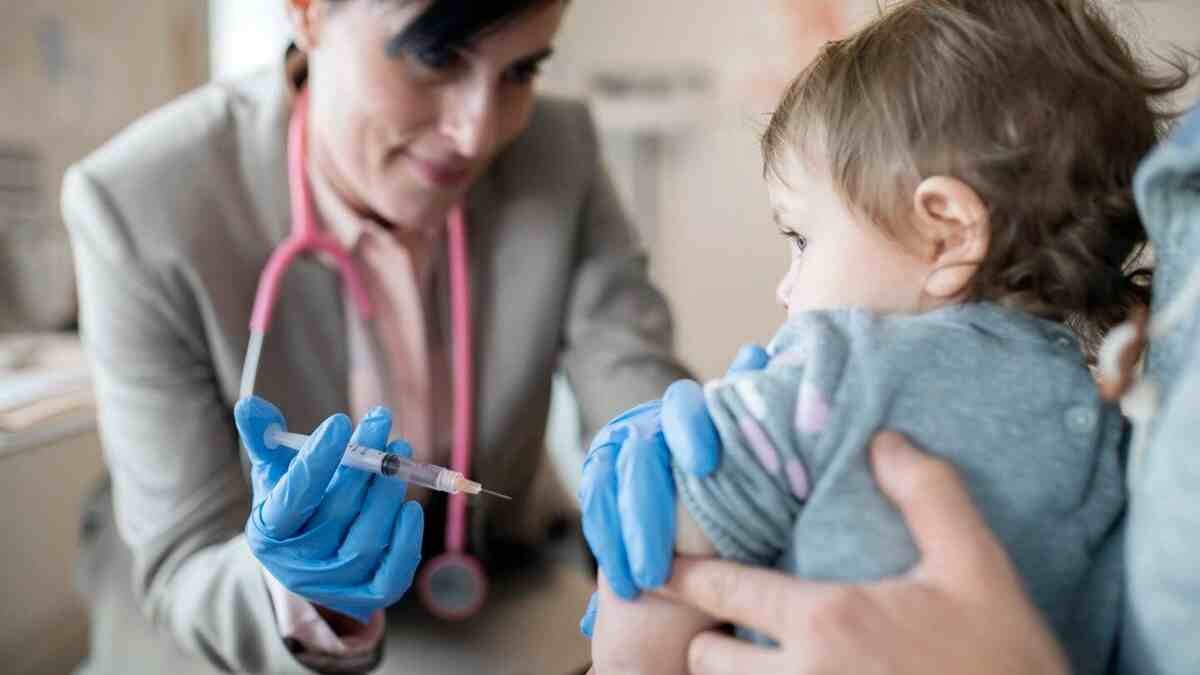
A major shift in national vaccine guidelines is rapidly evolving into a global public health debate, as governments, scientists, and citizens grapple with declining trust in vaccination systems. What was once considered one of the most stable pillars of modern healthcare is now facing renewed scrutiny, fueled by policy changes, political influence, and growing misinformation.
At the center of the issue are recent efforts to revise childhood vaccination schedules in the United States, where authorities proposed reducing the number of universally recommended vaccines. The move immediately triggered backlash from medical professionals and public health organizations, who argued that decades of scientific consensus were being undermined. A federal judge has since halted key parts of these changes, citing procedural violations and lack of scientific grounding, but the controversy has already left a lasting impact.
The debate has not remained confined to policy circles. It has directly influenced public perception, with new surveys showing a noticeable decline in trust toward vaccine recommendations. Recent polling indicates that only around 60 percent of people now trust official childhood vaccine guidance, a significant drop compared to previous years. This erosion of confidence is even more pronounced when it comes to trust in federal health agencies, with fewer than half of adults expressing confidence in institutions like the Centers for Disease Control and Prevention.
What makes this situation particularly concerning is its real-world impact. Falling trust is translating into falling vaccination rates. In regions like Michigan, childhood immunization coverage has dropped sharply within a year, leaving thousands of children vulnerable to preventable diseases such as measles and whooping cough. Health experts warn that even small declines in vaccination rates can weaken herd immunity and lead to outbreaks, a pattern already observed in several parts of the world.
The roots of this growing skepticism are complex. Political influence on health policy has played a major role, with critics arguing that scientific advisory boards have been reshaped in ways that reduce independence and expertise. At the same time, misinformation continues to spread rapidly through digital platforms, amplifying fears and confusion around vaccine safety. Public health experts emphasize that once trust is lost, it becomes significantly harder to restore, even when policies are corrected or reversed.
Globally, the implications are far-reaching. Vaccine policies in major countries often influence international health strategies, meaning that shifts in one nation can ripple across others. Public health organizations have warned that weakening established immunization systems could reverse decades of progress in controlling infectious diseases. Vaccination programs are not only about individual protection but also about safeguarding entire communities, particularly vulnerable populations such as children and the elderly.
Despite the challenges, there are signs of resilience within the healthcare system. Pediatricians and local health providers continue to be among the most trusted sources of medical advice, often filling the gap left by declining confidence in national institutions. Experts are increasingly calling for transparent communication, stronger public engagement, and a renewed focus on evidence-based policymaking to rebuild trust.
The current situation represents a critical turning point. Vaccine debates are no longer limited to scientific discussions but have become deeply intertwined with politics, media narratives, and public sentiment. How governments respond in the coming months will determine whether trust can be restored or whether skepticism will continue to grow.


