

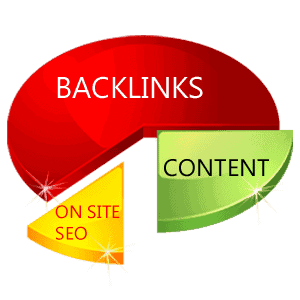
If search engines are becoming more adept at spotting manipulation, should you still take advantage of the chance to purchase backlinks? This controversial topic is frequently deliberately addressed by webmasters, SEO specialists, and business owners. The answer is slightly different: your strategy, who you share this load with, and how you define greatness in this process all have a significant impact. Building links has long been one of the most labor-intensive, manual parts of SEO.
It can take weeks of writing, networking, and follow-up to get natural citations from reliable sources. It should come as no surprise that many businesses think buying backlinks is an easy approach to accelerate the development of core authority.
A single purchase might expose you to a respectable, well-known website practically immediately, so why wait months for editors to find and mention your website? Purchasing backlinks is merely a strategic investment and is not inherently against best practices as long as it is done ethically. Search engine algorithms are able to swiftly distinguish between a genuine, editorially placed, highly relevant reference on a respectable website and an intrusive, spamming pure link farm.
Search engines will consider the topic’s relevance, the anchor text’s relevant context variation, and the linked domains’ PageRank. A backlink from your publisher, blog, or reputable authority site is far more likely to affect your rankings, referral traffic, and business reputation than one from a questionable, de-indexed website that doesn’t drive any traffic, particularly to the main page. When marketers don’t promptly and thoroughly investigate their target providers, the majority of campaigns fail.
Purchasing backlinks carelessly is undoubtedly a frequent error. When a lot of inexpensive links appear out of nowhere from unrelated, low-authority websites, Google’s algorithms can swiftly identify artificial link growth if the spam filter is tightened to prevent link schemes. In addition to spam problems, the expected outcomes are frequently transient if a business just purchases thousands of backlinks from a bulk vendor without first conducting a thorough examination.
There are a few general guidelines that will help you distinguish between careful planning and reckless gambling if you’re actually considering purchasing backlinks. Ten backlinks to pertinent content are significantly more important than a thousand on irrelevant pages, thus relevance should be prioritized over number. Inquire directly regarding editorial penalties, placement, and cloaking.
Instead of using a lot of the same keywords, use a variety of naturally occurring anchor text. Requests should be made in advance for all operational data, including PA/DA, spam scores, incoming links, organic traffic figures, and more. Purchasing backlinks is a challenging endeavor. It can significantly improve a site’s authority profile when viewed as a deliberate, well-researched investment rather than a band-aid solution. Careless application diminishes years of labor. The race is won by slow and steady.
