

As temperatures soar worldwide this summer, large cities are declaring formal heat emergencies, calling on inhabitants to take preventive measures during extended durations of hazardous high temperatures. From hectic North American cities to the main European ones, local authorities are implementing their emergency schemes which have been set up for the protection of the exposed ones and for the continuity of the essential services during harsh weather conditions.
The declarations follow the news of meteorologists tracking heat domes, and high-pressure systems that lead to the trapping of warm air for long periods. This has caused several issues to most families as the routine has been completely displaced, the elderly staying at home has been a concern, and lastly, the deciding of which outdoor activities to be carried out is a difficult one. Summer camps for kids have rescheduled their programs, workers who spend their time outdoors will be getting additional rest periods, and cooling centers are being opened for those who do not have air conditioning.
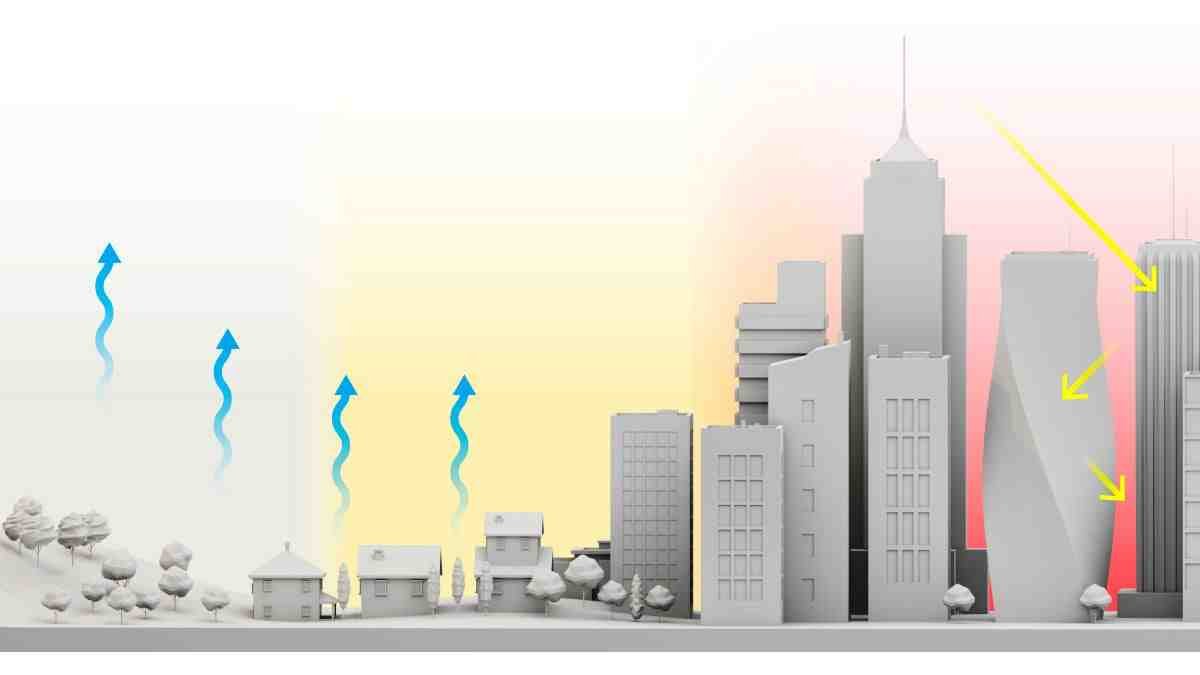
Besides that, the urban effects of these heat waves are even more worrying. The bricks and stones of the streets get so hot that they radiate heat, So creating “heat islands” where the temperature can be up to several degrees hotter than the surrounding areas. This thing mainly affects the low-income areas where tree cover is shallow and the housing is poorly insulated. Because of this, local groups have started to assist the less fortunate by helping them find water and making sure that safety resources are available to all.
Doctors notice that more and more people consult them for problems that are provoked by heat like heat exhaustion. Elderly, infants, and patients with sicknesses are most vulnerable to the heat. Hospitals and EMS are expecting a rise in the number of cases and at the same time, they advise going for self-care measures like proper hydration, wearing light clothes, and resting during the day when the sun is at its highest.
These heat emergencies generate numerous human stories both sorrowful and uplifting. Helping each other, being present at cooling centers as volunteers, families taking up new measures to protect themselves all these are examples of community spirit in difficult times. One local from a leading East Coast city said that they arrange block parties at places with air-conditioned community centers as a method of keeping people in good spirits and staying cool atthe same time.
These sudden increases in temperature not only affect public health but they also challenge the capacity of energy systems. Since the use of air conditioners goes up dramatically, there are sometimes pleas for conservation or even rolling blackouts when things get really bad. Power companies continue to work nonstop to keep the lights on and at the same time, they ask the customers to use electricity more wisely during the times of greatest demand.
These experiences offer a good opportunity to environmentalists to explain the links between the alterations of climate and human activities. Even though the element of nature’s randomness cannot be dismissed, the observation of the data over a long span of time shows that heat waves have become more common and stronger in intensity. Apart from the emergency actions, the cities have also started to take measures for the long term that include the expansion of green areas, the introduction to the market of reflective roofing, and the updating of the building codes so that constructions can withstand heat better.
More caution has been asked for by those who either work or spend their leisure time outdoors. Heat protection measures have been introduced by construction sites, courier services, and farming as a means of safeguarding their workforce. When schools and universities faced extremely high temperatures, the first two had a period of virtual classes, while the last one made changes to the timetables. Even the top-level sports clubs have worked out new training schedules and have had to alter conditions for matches.


