

Scientists have discovered a hidden biological system that dramatically enhances the calorie-burning power of brown fat, offering fresh hope for tackling obesity and metabolic disorders. Researchers at New York University, led by assistant professor Farnaz Shamsi, identified a key protein mechanism that helps brown adipose tissue build the intricate networks of blood vessels and nerves it needs to function efficiently. This breakthrough, published in March 2026, reveals how brown fat transforms from a passive tissue into a powerful metabolic furnace capable of burning energy to generate heat rather than storing it as excess fat.
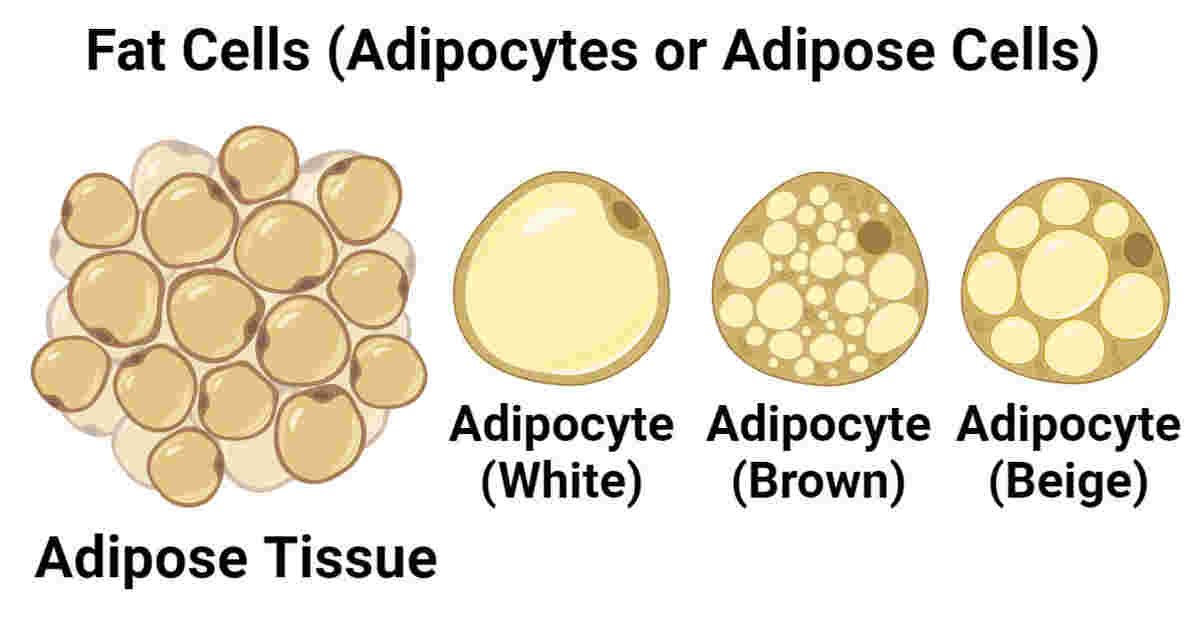
Unlike white fat, which primarily stores calories, brown fat specializes in thermogenesis. It dissipates chemical energy as heat, acting like an internal furnace that helps regulate body temperature and overall metabolism. For decades, scientists have known that brown fat is densely packed with mitochondria and relies on rich supplies of oxygen and neural signals to activate. However, the precise molecular pathways that allow it to develop and maintain these critical vascular and nervous networks remained unclear until now.
The study focused on a protein called SLIT3, which brown fat cells release to orchestrate the growth of supporting infrastructure. When activated, SLIT3 breaks into two distinct fragments. One fragment promotes the expansion of blood vessel networks, ensuring a steady supply of oxygen and nutrients to fuel energy burning. The other fragment drives the growth of nerve connections, allowing the brain to send precise signals that trigger thermogenesis, particularly in response to cold or other metabolic demands. Together, these processes create a highly efficient system that enables brown fat to rapidly uptake fuel from the bloodstream and convert it into heat instead of letting it accumulate as white fat.
This discovery is particularly significant because adult humans have relatively limited amounts of active brown fat, and its activity tends to decline with age, obesity, and sedentary lifestyles. By mapping how SLIT3 coordinates the “wiring” of brown fat, researchers have uncovered a potential target for new therapies. Enhancing this pathway could help reactivate or expand brown fat function, increasing daily energy expenditure without the need for extreme dieting or intense exercise. Early experiments in laboratory models suggest that boosting SLIT3 activity leads to improved heat production, better glucose handling, and reduced fat accumulation.
The implications extend beyond weight management. Brown fat activity has been linked to protection against type 2 diabetes, cardiovascular disease, and other conditions associated with metabolic syndrome. A more efficient brown fat system could help the body act as a natural metabolic sink, pulling excess nutrients out of circulation before they contribute to insulin resistance or inflammation. Researchers emphasize that this mechanism represents a shift from traditional approaches focused on suppressing appetite to strategies that actively increase energy burning.
While the findings are still in the early research stage, they open exciting avenues for drug development. Scientists are now exploring compounds that could mimic or enhance SLIT3 signaling to stimulate brown fat networks safely in humans. Cold exposure and certain medications have already shown modest success in activating brown fat, but targeting this specific pathway may yield more consistent and potent results with fewer side effects.
As the global obesity epidemic continues, this breakthrough provides a promising new direction. It highlights the body’s own sophisticated systems for maintaining energy balance and suggests that future treatments could work with these natural mechanisms rather than against them. By unlocking the networks that power brown fat, researchers have taken a significant step toward turning the human body into a more efficient calorie-burning machine, potentially transforming how we approach metabolic health in the years ahead.


